
Should I Get Screened for Breast Cancer Early? It Depends
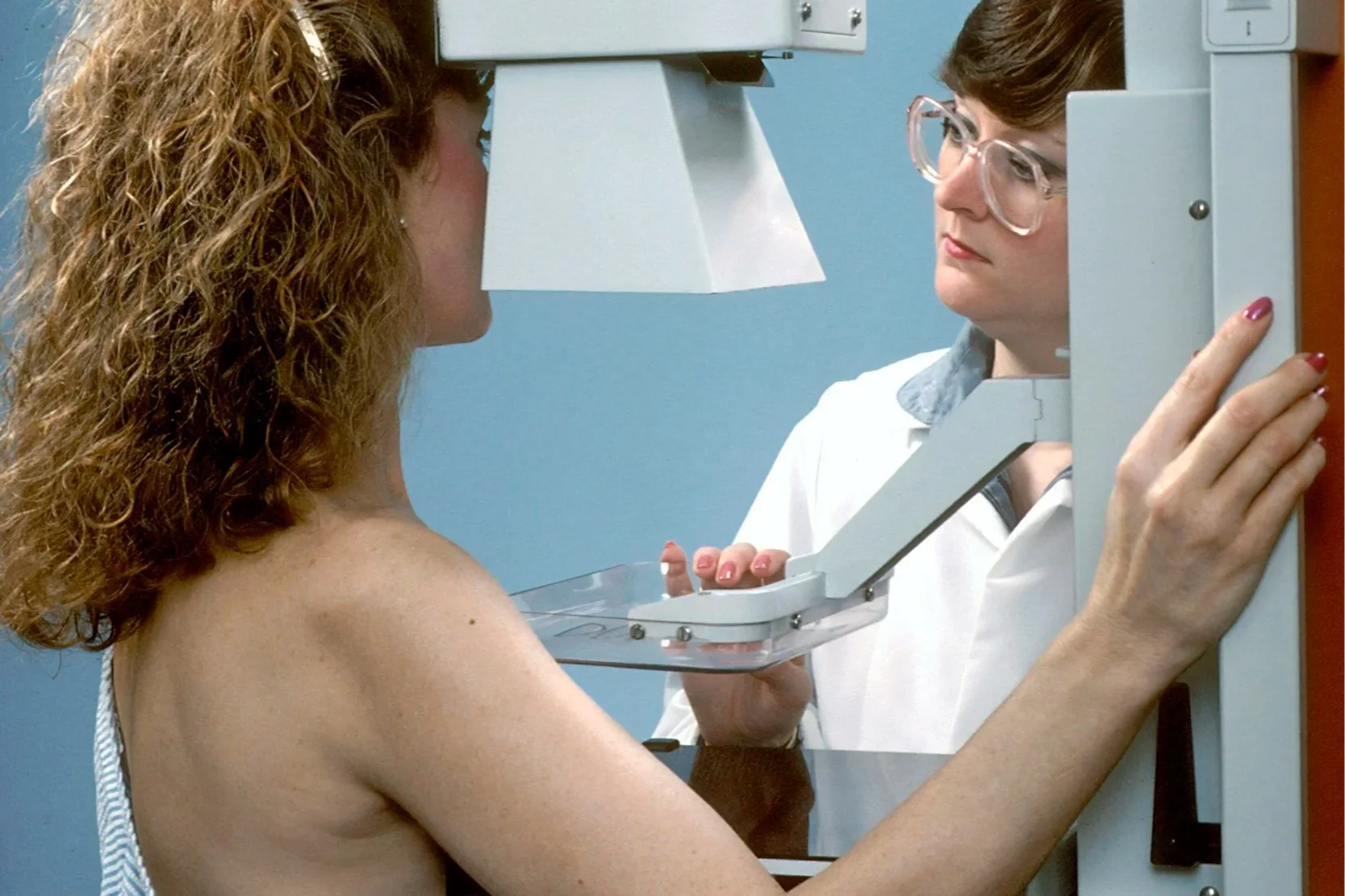
Breast cancer screenings — we’ve all heard of them, and most experts strongly advise us to get them, and for good reason. 13% of women are diagnosed with breast cancer at some point in their lives, and the earlier the cancer is detected, the better. With most cases of breast cancer occurring among women middle-aged or older, experts generally recommend getting a mammogram every 2 years between the ages of 40 and 74. However, this varies depending on a person’s individual risk factors, especially as breast cancer rates rise among young women. Here’s an outline of why early screenings are important, who should get them, and how.
How common is breast cancer?
Aside from skin cancers, breast cancer is the leading form of cancer among women in the United States, comprising nearly one-third of new cancers each year. It is also the second most common cause of cancer death among women, after lung cancer.
The average woman has a 2.3% chance of dying from the disease. Of course, this means that 97.7% of women will not—so the statistics are not necessarily cause for alarm, but they are certainly cause for vigilance and prudence, especially as cancer is the second most common cause of death among women.
The incidence of breast cancer has recently increased by 1% per year, and 1.4% among young women. Experts believe this may be due to an increase in women not having children, having a first child after age 30, or developing obesity. Despite this, death rates have declined in the past few decades—in part because patients are catching breast cancer earlier due to regular screenings.
Should I get screened for breast cancer?
The US Preventive Services Task Force is a panel of doctors and other experts that review research and make recommendations for medical professionals on how to prevent diseases or detect them early. The panel generally recommends mammograms every 2 years between the ages of 40 and 74 for those at average risk of breast cancer. With that said, the Centers for Disease Control and Prevention (CDC) urges patients to discuss benefits and risks with their doctors before getting any screening tests.
Risks include pain during the procedure, the possibility of false positive results, overtreatment in the (rare) cases of cancers that may have otherwise gone away on their own, and radiation exposure (in the case of repeated X-rays).
The main benefit is that breast cancer survival rates are much higher among women who get screened regularly. A Swedish study of 37,079 women diagnosed with breast cancer between 1992 and 2016 found that women who attended all scheduled mammograms were 66% less likely to die of breast cancer than those who received none.
Breast cancer caught early in a localized stage (as in, the cancer has not spread past the breast) has a 5-year relative survival rate of 99.6%. If detected after the cancer has spread to nearby structures or lymph nodes, survival rates drop to 87%—and if it has spread to distant parts of the body (such as to the lungs, bones, or liver), survival rates are 32%.
Who should get screened for breast cancer earlier, more often, or more intensively?
The American College of Radiology (ACR) notes that people at higher-than-average risk of breast cancer may need to get screened earlier, more often, and/or more thoroughly (e.g. with an MRI or ultrasound in addition to a mammogram). Just a few examples:
People with genetic mutations that predispose them to breast cancer (e.g. a BRCA1 or BRCA2 mutation)
Women who received radiation to the chest before age 30
People who had breast cancer or certain benign breast conditions before the age of 40
People with a 20% or higher lifetime risk of breast cancer
People with dense breasts
How early, how often, and how thoroughly you should get screened really depends on you and your own personal risk profile. For this reason, the ACR recommends that everyone with breasts have a breast cancer risk assessment by the time they turn 25.
This is especially important for Black and Ashkenazi Jewish women, according to the ACR. Black women are less likely to be diagnosed with stage I breast cancer, yet those who are diagnosed with breast cancer are 42% more likely than their white counterparts to die from the disease. Experts attribute this disparity to factors such as cancer tumor biology and structural racism in the healthcare system. Meanwhile, Ashkenazi Jewish women have a much higher-than-average risk of breast cancer because they are more likely to carry a mutation in the BRCA1 and/or BRCA2 genes, which can raise the risk of lifetime breast cancer diagnosis to 72%.
A breast cancer risk assessment requires a conversation with your doctor about your family and medical history, medical test results, diet and lifestyle, and other relevant factors. Ultimately, you and your doctor will decide how early, frequently, and extensively you should get screened.
How do I get screened?
You can get a breast cancer screening in a hospital, clinic, or doctor’s office. Not sure where to go? The Food and Drug Administration (FDA) has a directory of mammography facilities. Fortunately, most insurance plans cover regular screening mammograms with no out-of-pocket cost starting at the age of 40.
Hope is not lost if you don’t have health insurance: You may be eligible for free or low-cost screenings and diagnostic services via the CDC's National Breast and Cervical Cancer Early Detection Program (NBCCEDP).
Jenna Demmer is a Certified Health Education Specialist with a Bachelor's Degree in Public Health Education. She aims to use the power of the written word to improve the well-being of as many people as possible.